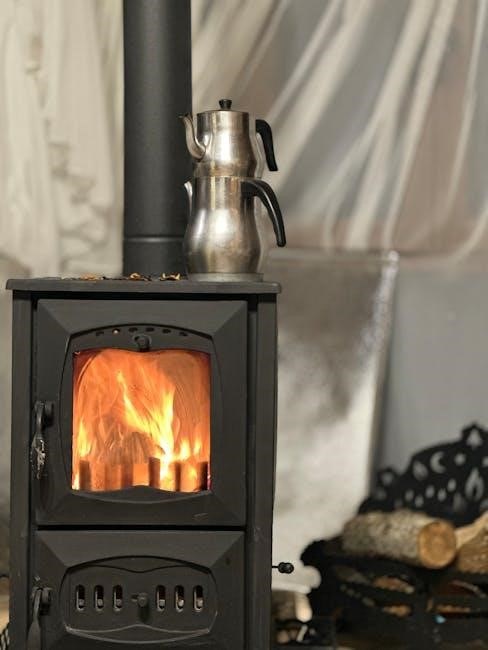
harman pellet stove manual
Harman Pellet Stove Manual: A Comprehensive Guide
Harman pellet stoves offer efficient, cost-effective heating, utilizing compressed sawdust for a cozy ambiance. This manual provides detailed guidance for safe operation and optimal performance, ensuring years of reliable warmth.
Understanding Your Harman Pellet Stove
Your Harman pellet stove represents a significant investment in comfortable and efficient home heating. Unlike traditional wood stoves, Harman stoves utilize compressed wood pellets, a renewable resource created from recycled sawdust. These pellets offer a consistent burn, producing substantial heat with minimal ash residue.
Understanding the core principles of pellet stove operation is crucial for maximizing its benefits. The stove automatically feeds pellets from a hopper into a burn pot, where they are ignited. A blower fan distributes the heated air throughout your home.
Harman stoves are known for their advanced features, including programmable thermostats and adjustable burn rates. This manual will guide you through these functionalities, enabling you to tailor the stove’s performance to your specific needs and preferences, ensuring both comfort and cost savings.
Safety Precautions & Warnings
Prioritizing safety is paramount when operating your Harman pellet stove. Improper installation or operation can lead to fire, carbon monoxide poisoning, or other hazards. Always ensure the stove is installed by a qualified technician, adhering to local building codes and manufacturer’s instructions;
Never store flammable materials near the stove, and maintain a clear zone around the unit. Regularly inspect the venting system for obstructions or damage. Carbon monoxide detectors are essential in homes with pellet stoves; test them monthly;
Do not attempt to repair the stove yourself unless explicitly instructed in this manual. Disconnect the power supply before performing any maintenance. Keep children and pets away from the hot surfaces of the stove during operation. Failure to heed these warnings could result in serious injury or property damage.
Component Identification
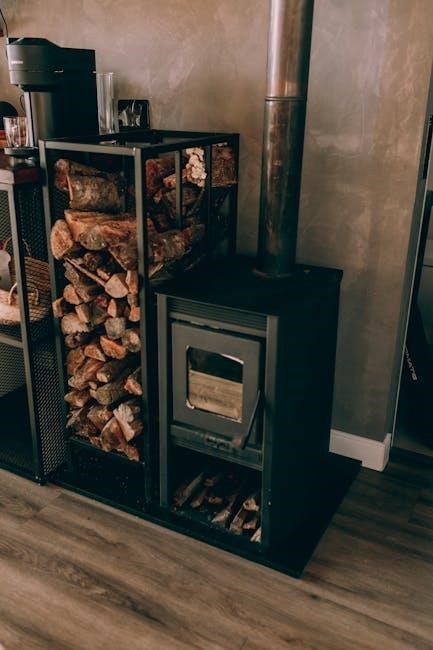
Understanding the components of your Harman pellet stove is crucial for proper operation and maintenance. The exterior features include the control panel, viewing window with glass door, and the pellet hopper lid for easy refueling. Inspect these regularly for damage.
Internally, key components consist of the auger, responsible for delivering pellets to the burn pot; the burn pot itself, where combustion occurs; the blower motor, controlling airflow; and the heat exchanger, distributing warmth. The venting system, including the exhaust pipe, safely removes combustion gases.
Familiarize yourself with the location of the air intake, ash pot, and any sensors. Refer to the detailed diagrams within this manual for precise identification of each part and its function. Knowing these components aids in troubleshooting and ensures efficient performance.
Stove Exterior Parts
The Harman pellet stove’s exterior is designed for both functionality and aesthetic appeal. The control panel, typically located on the front, houses the power button, thermostat controls, and diagnostic indicators. Regularly check for clear visibility and responsive buttons.
The viewing window, constructed of durable glass, allows you to observe the burn process. Inspect for cracks or damage, as compromised glass can affect performance and safety. The pellet hopper lid provides access for filling the stove with fuel; ensure it seals tightly to prevent dust and debris from entering.
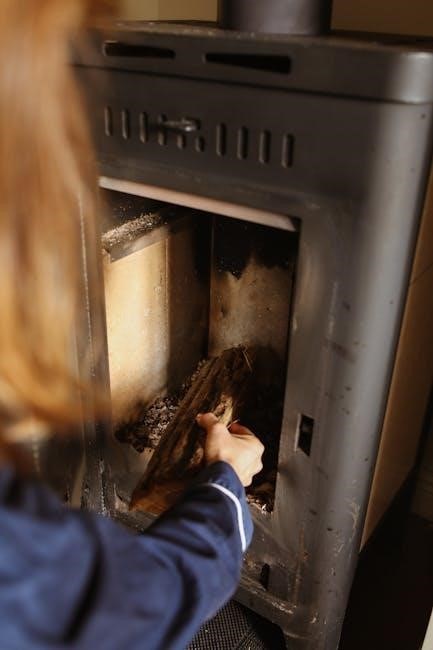
Additionally, locate the external air intake vent, often found on the rear or side, and the ash removal access point. Familiarize yourself with these features for convenient operation and maintenance. A clean exterior contributes to the stove’s longevity and efficient heating.
Interior Components & Functionality
Inside your Harman pellet stove, a sophisticated system works to convert fuel into heat. The auger, a rotating screw, delivers pellets from the hopper to the burn pot. Consistent auger operation is crucial for a steady flame. The burn pot itself is where combustion occurs, designed for efficient and complete pellet burning.
Airflow is managed by a series of vents and a combustion blower, controlling the burn rate and heat output. A heat exchanger transfers warmth from the combustion chamber to the surrounding air, which is then circulated throughout your home. Sensors monitor temperature and fuel levels, ensuring safe and optimal performance.
Regular inspection of these components is vital. A clean burn pot and unobstructed airflow are key to maximizing efficiency and minimizing emissions. Understanding these internal workings will aid in troubleshooting and maintenance.
Installation Procedures
Proper installation is paramount for safe and efficient Harman pellet stove operation. Begin by carefully reviewing local building codes and regulations regarding wood-burning appliances. Ensure a structurally sound and level surface capable of supporting the stove’s weight. Maintaining proper clearances from combustible materials is absolutely critical to prevent fire hazards.
The venting system must adhere strictly to Harman’s specifications, utilizing approved venting components. Incorrect venting can lead to carbon monoxide buildup. Electrical connection requires a dedicated circuit, grounded according to code, to power the stove’s components.
Thoroughly inspect all connections for leaks or obstructions before initial startup. Professional installation is highly recommended, especially for those unfamiliar with these procedures, guaranteeing a safe and reliable heating system.
Ventilation Requirements
Adequate ventilation is crucial when operating a Harman pellet stove to ensure proper combustion and prevent the buildup of dangerous gases. A dedicated fresh air intake is often required, particularly in tightly sealed homes, to supply sufficient oxygen for efficient burning. This intake should be sized according to Harman’s specifications, typically a 4-inch diameter opening.
The vent pipe must be installed correctly, maintaining proper clearances from combustible materials and extending to the outside, terminating above the roofline. Regularly inspect the vent pipe for obstructions like bird nests or debris.
Carbon monoxide detectors are essential safety devices and should be installed near the stove and in sleeping areas. Proper ventilation safeguards both your home and your family’s well-being.
Pellet Fuel Storage & Handling
Proper pellet fuel storage is vital to maintain its heating efficiency and prevent issues with your Harman stove. Store pellets in a dry, well-ventilated area, protected from rain and snow. Moisture absorption significantly reduces pellet quality and can lead to operational problems.
Keep pellets off the ground, ideally on a pallet or wooden platform, to prevent moisture wicking. Avoid stacking pellets too high, as this can cause crushing and dust formation. When handling pellets, minimize dust inhalation by wearing a dust mask, especially during loading.
Only use approved wood pellets; avoid those containing binders or additives not suitable for pellet stoves. Regularly inspect stored pellets for signs of mold or deterioration.
Electrical Connection Guidelines
Ensuring a safe and correct electrical connection is paramount for your Harman pellet stove’s operation and longevity. The stove requires a dedicated 120V, 15-amp circuit, grounded according to local electrical codes. Never use an extension cord or multi-outlet adapter.
Installation should be performed by a qualified electrician. Before connecting, verify the voltage matches the stove’s specifications. The electrical outlet must be readily accessible for easy disconnection in emergencies. Improper wiring can cause malfunctions, fire hazards, or void the warranty.
Always disconnect power before performing any maintenance or cleaning. Confirm the ground wire is securely connected. Refer to the detailed wiring diagram in your stove’s specific manual for precise instructions.
Operating Instructions
Proper operation of your Harman pellet stove ensures efficient heating and a safe environment. Before initial use, carefully review all safety precautions. The first burn-in cycle is crucial; operate the stove at its highest setting for 24-48 hours to cure internal components and establish a consistent burn.
Daily operation involves filling the hopper with approved pellet fuel and verifying the auger is functioning correctly. Utilize the control panel to set desired temperature and fan speed. Monitor the burn regularly, observing flame pattern and exhaust temperature. Adjust settings as needed for optimal comfort and efficiency.
Familiarize yourself with the stove’s controls and indicators for a seamless heating experience.
Initial Startup & Burn-In Process
The initial startup of your Harman pellet stove is a critical phase for long-term performance. Begin by ensuring the stove is properly installed and all safety checks are completed. Fill the hopper with high-quality pellet fuel, verifying it’s dry and free of debris. Power on the stove and initiate the startup sequence as outlined in your model-specific manual.
The burn-in process typically involves running the stove at its highest heat setting for 24 to 48 continuous hours. This high-heat cycle cures the internal components, eliminates manufacturing residues, and establishes a stable burn pattern. Expect some initial smoke and odor during this period, which will diminish as the process completes.
Avoid adjusting settings during the burn-in; allow the stove to self-regulate.
Daily Operation & Control Settings
For daily use, begin by verifying sufficient pellet fuel in the hopper and ensuring the ash pot isn’t overly full. Most Harman stoves feature intuitive control panels allowing adjustment of heat output and burn rate. Familiarize yourself with the thermostat settings to maintain desired room temperatures consistently.
The ‘Auto’ setting leverages the programmable thermostat for automated heating cycles, while ‘Manual’ provides direct control over the auger feed rate and blower speed. Regularly monitor the glass door; a clear view indicates efficient combustion. Adjust air intake settings, if available, to fine-tune the burn for optimal heat and minimal emissions.

Remember to routinely check for proper operation and address any unusual noises promptly.
Adjusting Heat Output & Burn Rate
Controlling heat output on your Harman stove is primarily achieved through adjusting the burn rate and feed rate settings. A higher burn rate delivers more pellets to the fire, resulting in increased heat production, while a lower rate conserves fuel and provides gentler warmth. Experiment to find the optimal balance for your home’s insulation and heating needs.
The control panel typically offers a range of settings, from ‘Low’ to ‘High’, or a numerical scale. Observe how each setting impacts room temperature and adjust accordingly. Remember that faster burn rates consume more pellets and generate more ash.

Fine-tuning the air intake can further optimize combustion, ensuring a clean and efficient burn. Regularly monitor the stove’s performance and adjust settings as needed for consistent comfort.
Maintenance & Troubleshooting
Regular maintenance is crucial for ensuring the longevity and efficient operation of your Harman pellet stove. Consistent cleaning of the firebox, heat exchanger, and venting system prevents buildup and maintains optimal performance. Inspect the door gasket for proper sealing to avoid air leaks and reduced efficiency.
Troubleshooting common issues often involves checking for proper pellet flow, adequate ventilation, and correct electrical connections. Error codes displayed on the control panel provide valuable diagnostic information. Refer to the error code section of this manual for specific solutions.
Addressing problems promptly prevents further damage and ensures continued safe and reliable heating. Don’t hesitate to contact a qualified technician for complex repairs.
Regular Cleaning Procedures
Consistent cleaning is paramount for maintaining peak performance and safety with your Harman pellet stove. Daily, remove ash from the firebox, ensuring it doesn’t exceed the recommended level. Weekly, inspect and clean the heat exchanger with a brush or vacuum, removing any accumulated dust or residue. This maximizes heat transfer efficiency.
Monthly, thoroughly clean the venting system to prevent creosote buildup, a potential fire hazard. Annually, a professional inspection and cleaning of the entire stove, including the auger and motor, are highly recommended. Always disconnect power before performing any internal cleaning.
Proper cleaning extends the life of your stove and ensures a safe, efficient heating experience.
Common Error Codes & Solutions
Your Harman pellet stove utilizes error codes to diagnose operational issues. A “Low Hopper” code indicates insufficient pellet fuel; refill the hopper immediately. An “Auger Jam” code suggests a blockage in the auger system – disconnect power and carefully clear any obstructions. “Overheat” signals a potential issue with airflow or venting; inspect for blockages and ensure proper ventilation.
“Low Air” indicates insufficient air supply, potentially due to a blocked air intake. Regularly check and clean the air intake vent. If a code persists after troubleshooting, consult the full manual or contact a qualified technician. Ignoring error codes can lead to reduced efficiency or potential safety hazards.
Always record the error code before attempting a fix;
Auger & Motor Maintenance
Regular maintenance of the auger and motor is crucial for consistent pellet delivery. At least annually, disconnect power and inspect the auger for wear or damage. Check for bent flightings or excessive corrosion, replacing parts as needed. Lubricate the auger shaft with a high-temperature grease specifically designed for pellet stoves to ensure smooth rotation.
Inspect the auger motor for proper operation, listening for unusual noises. Clean the motor housing to prevent dust buildup and overheating. Verify the motor’s electrical connections are secure. A failing auger motor can cause inconsistent fuel feed and stove performance issues. Proper maintenance extends the lifespan of these vital components.
Advanced Features & Settings
Harman pellet stoves boast advanced features for customized heating. Programmable thermostats allow precise temperature control and scheduling, optimizing comfort and fuel efficiency. Explore settings for different heat output levels and burn rates to match your needs. Fine-tune air intake adjustments to achieve an optimal burn, maximizing heat production and minimizing emissions.
Remote control functionality provides convenient operation from anywhere in the room. Utilize advanced diagnostic features to monitor stove performance and identify potential issues. Experiment with customized settings to discover the ideal balance between heat, efficiency, and convenience. Understanding these advanced features unlocks the full potential of your Harman stove.
Programmable Thermostat Operation
Harman stoves’ programmable thermostats offer precise temperature management. Access the thermostat menu via the control panel to set daily or weekly schedules. Program different temperatures for various times of day – warmer during waking hours, cooler during sleep. Utilize multiple heating zones if your system supports it, optimizing comfort and energy savings.
Explore features like setback temperatures to reduce fuel consumption when the house is unoccupied. Understand the thermostat’s hold function for maintaining a constant temperature, overriding the programmed schedule. Regularly review and adjust your settings to align with seasonal changes and personal preferences. Proper programming maximizes efficiency and ensures consistent warmth.
Air Intake Adjustment for Optimal Burn
Fine-tuning the air intake is crucial for a clean, efficient burn in your Harman stove. The air intake controls the amount of oxygen reaching the fire, directly impacting combustion. Adjusting it affects flame quality, heat output, and pellet consumption. Begin with the manufacturer’s recommended settings, then observe the flame pattern.
A lively, blue flame indicates optimal combustion. A lazy, yellow flame suggests insufficient air, requiring a slight opening. Conversely, a roaring flame with excessive heat may indicate too much air, necessitating a slight closure. Monitor exhaust temperatures; excessively high readings signal over-firing. Regular adjustments ensure complete pellet combustion, minimizing creosote buildup and maximizing heat production.
Remote Control Functionality
Your Harman pellet stove’s remote control offers convenient operation from anywhere in the room. It typically allows for power on/off, temperature adjustments, fan speed control, and ignition activation. Familiarize yourself with each button’s function for seamless control. Some models feature programmable schedules, enabling automated heating based on your lifestyle.
Ensure the remote has fresh batteries for reliable performance. Pairing the remote to the stove may be necessary after battery replacement or initial setup – consult your specific model’s instructions. The remote’s display provides real-time stove status, including temperature and operational mode. Utilizing the remote enhances convenience and optimizes heating efficiency, providing personalized comfort.
Pellet Quality & Types
Choosing the right pellet fuel is crucial for optimal Harman stove performance and longevity. Premium pellets boast low moisture content (under 20%), minimal ash production, and consistent diameter. Different wood species create varying heat outputs; hardwood pellets generally provide more BTUs than softwood. Avoid pellets with excessive dust or fines, as these can clog the auger and reduce efficiency.

Pellet bags should clearly indicate their species and BTU rating. Consider certified pellets meeting the PFI (Pellet Fuels Institute) standards for quality assurance. Proper storage is vital – keep pellets dry and protected from the elements to prevent degradation. Experimenting with different pellet types can help you find the best balance of cost, heat output, and ash management for your specific Harman stove model.
Choosing the Right Pellet Fuel
Selecting appropriate pellet fuel significantly impacts your Harman stove’s efficiency and lifespan. Prioritize low-moisture content (ideally below 20%) to ensure clean burning and minimize creosote buildup. Look for pellets with a consistent diameter and minimal dust, as fines can cause feeding issues. Hardwood pellets, like oak or maple, generally deliver higher BTU output compared to softwoods like pine.
Consider the ash content; lower ash means less frequent cleaning. Certified pellets from the PFI (Pellet Fuels Institute) guarantee quality standards. Experimenting with different brands and wood types can help determine the best fuel for your stove and climate. Always store pellets properly – dry, covered, and off the ground – to prevent spoilage and maintain optimal burn characteristics.
Pellet Storage Best Practices
Proper pellet storage is crucial for maintaining fuel quality and ensuring consistent stove performance. Always store pellets in a dry, well-ventilated area, protected from rain, snow, and direct sunlight. Keeping pellets dry prevents them from expanding and crumbling, which can lead to feeding problems. Elevate the bags off the ground using pallets to prevent moisture absorption from the floor.
Avoid stacking pellets too high, as excessive weight can compress the lower bags. A reasonable stack height is typically six to eight bags. Regularly inspect stored pellets for signs of moisture damage or mold. First-in, first-out inventory management ensures older pellets are used before newer ones, minimizing the risk of degradation. Secure the storage area to prevent pests and unauthorized access.
Harman Stove Specific Models & Manual Access
Harman offers a diverse range of pellet stove models, each with unique features and specifications. Accessing the correct manual for your specific model is essential for proper operation and maintenance. The Harman website provides a comprehensive archive of manuals, searchable by model number. Locate the model number, typically found on a label affixed to the stove’s exterior or within the internal components.
Differences between Harman models often include heating capacity, hopper size, and control system features. Some models offer advanced programmability and remote control capabilities. Utilizing the correct manual ensures you understand these specific functionalities. If you cannot locate your manual online, contact Harman’s customer support for assistance. Always refer to your model’s manual for accurate information.
Locating Your Stove’s Specific Manual
Finding the correct manual for your Harman pellet stove is crucial for safe and efficient operation. Begin by identifying your stove’s precise model number; this is typically located on a sticker affixed to the back or side of the unit, or sometimes inside the pellet hopper. Once you have the model number, navigate to the official Harman website’s support section.
There, you’ll find a dedicated manual library, often searchable by model number or series. Download the PDF version of your manual for convenient access. If you’re unable to find your manual online, Harman’s customer support team can assist you. Providing the model number will expedite the process. Keep a digital copy readily available for future reference and troubleshooting.
Differences Between Harman Models
Harman offers a diverse range of pellet stove models, each designed with specific features and heating capacities. Older models, like the Classic series, prioritize simplicity and affordability, while newer offerings, such as the Accentra or P68, incorporate advanced technologies like smart controls and enhanced burn efficiency.
Heating output (BTU) varies significantly between models, influencing the area they can effectively heat. Some models feature direct vent technology for flexible installation, while others require specific venting configurations. Furthermore, hopper capacity differs, impacting refueling frequency. Always consult your specific model’s manual to understand its unique characteristics and operational requirements, ensuring optimal performance and safety.