watch size guide wrist male
Watch Size Guide for Men: A Comprehensive Overview
Navigating the world of men’s watches requires understanding wrist size and case dimensions․ Finding the perfect fit enhances both comfort and style, ensuring a proportional look․
Understanding Wrist Measurements
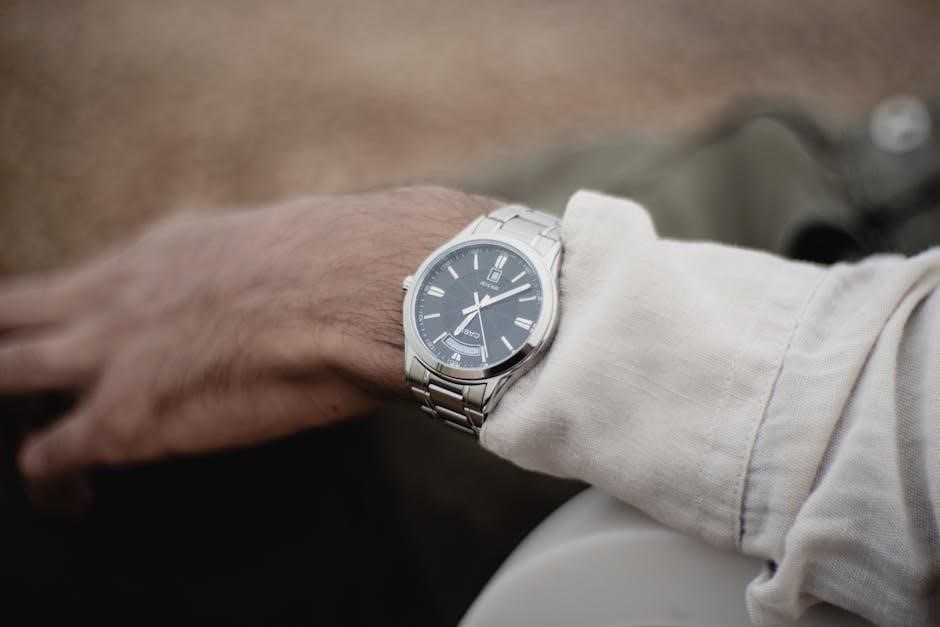
Accurate wrist measurement is the cornerstone of selecting a properly sized watch․ It’s not simply about aesthetics; a well-fitting watch dramatically improves comfort and wearability․ To begin, use a flexible measuring tape – a fabric or plastic tailor’s tape is ideal․ Wrap it snugly, but not tightly, around your wrist bone․ Avoid compressing the skin․
Ensure the tape measure lies flat against your skin and doesn’t angle upwards․ Record the measurement in millimeters or inches․ If you don’t have a flexible tape, use a string or piece of paper, mark the point where it overlaps, and then measure that length with a ruler․ It’s often beneficial to measure both wrists, as there can be slight differences․ Use the larger measurement for determining watch size․

Remember to measure your wrist in a relaxed state, as if you were naturally wearing a watch․ Don’t flex or tense your wrist during the measurement process․ This ensures you get an accurate representation of your typical wrist circumference․ This foundational step will guide all subsequent decisions regarding case diameter, lug-to-lug length, and band width․
Tools for Accurate Measurement
Achieving precision in wrist measurements requires the right tools․ The most reliable is a flexible measuring tape, preferably one designed for tailoring․ These tapes, often made of fabric or vinyl, conform easily to the wrist’s curvature, providing a snug yet comfortable fit․ Avoid metal measuring tapes, as they lack the necessary flexibility and can yield inaccurate results․
Alternatively, a piece of string or a strip of paper can serve as a substitute․ Wrap it around your wrist, marking the exact point where the ends meet․ Then, lay the string or paper flat and measure its length using a standard ruler or yardstick․ For enhanced accuracy, consider utilizing a digital caliper, though this is more common for measuring watch components than wrist size․
A helpful addition is a mirror, allowing you to visually confirm the tape measure’s alignment and ensure it’s neither too tight nor too loose․ Consistency is key; use the same tool and technique each time you measure, especially if you’re shopping online․ Proper tools translate directly into a better-fitting, more comfortable watch experience․
Average Male Wrist Sizes
Determining average male wrist sizes is crucial for selecting a proportionally appropriate watch․ While individual variation exists, most men fall within a range of 6․5 to 8 inches in wrist circumference․ However, a more detailed breakdown reveals common groupings․
Approximately 35% of men have wrists measuring between 6․5 and 7 inches, considered a medium size․ This is the most prevalent range, accommodating a wide variety of watch styles and sizes․ Around 25% have smaller wrists, under 6․5 inches, requiring more delicate watch designs․ Conversely, roughly 20% possess larger wrists, exceeding 7․5 inches, and can comfortably wear larger, bolder timepieces․
The remaining 20% fall between 7 and 7․5 inches, representing another common medium-sized category․ It’s important to remember these are averages; individual wrist size is influenced by factors like height, weight, and genetics․ Accurate self-measurement is always recommended over relying solely on these general guidelines․ Understanding these averages provides a starting point for narrowing down suitable watch case sizes and band widths․
Watch Case Size: Diameter and Thickness
Watch case size is primarily defined by its diameter, measured in millimeters (mm), and thickness․ Diameter dictates how the watch appears on the wrist, while thickness impacts comfort and wearability․ A common range for men’s watches is 38mm to 44mm, though this varies significantly based on style and wrist size․
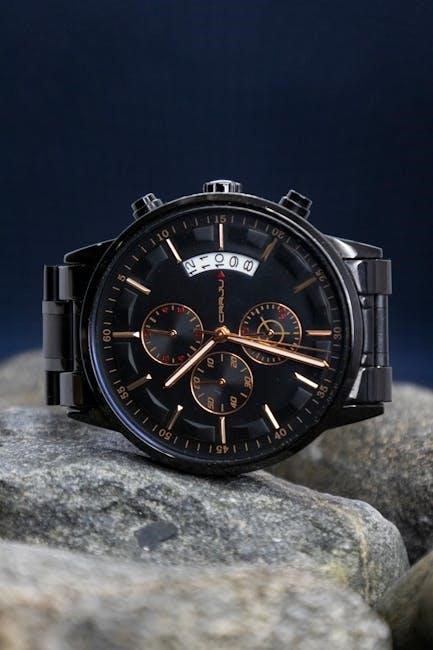
Generally, smaller wrists (under 6․5 inches) suit case diameters of 38mm to 40mm․ Medium wrists (6․5-7․5 inches) typically look best with 40mm to 42mm cases․ Larger wrists (7․5 inches and above) can handle 42mm to 44mm, or even larger, depending on personal preference․ Thickness is equally important; excessively thick watches can feel bulky and uncomfortable․
A thickness of under 10mm is considered slim, offering a sleek profile․ Watches between 10mm and 13mm are standard, providing a balance of style and substance․ Anything over 13mm is generally considered thick, best suited for those who prefer a more substantial feel․ Considering both diameter and thickness ensures a balanced and comfortable fit, enhancing the overall wearing experience․
Lug-to-Lug Measurement: Crucial for Fit
Beyond case diameter, the lug-to-lug measurement is paramount for a comfortable and aesthetically pleasing fit․ This measurement, in millimeters, represents the distance between the tips of the lugs – the ‘arms’ extending from the watch case that hold the strap․ It determines how the watch conforms to the curvature of your wrist․
Unlike diameter, which focuses on the watch face’s size, lug-to-lug ensures the case doesn’t overhang your wrist, preventing discomfort and an awkward appearance․ Ideally, the lug-to-lug measurement should be slightly smaller than your wrist circumference․ For example, a 7-inch wrist should ideally pair with a watch having a lug-to-lug measurement of around 6;8 inches (or 173mm)․
Ignoring this measurement can lead to a watch feeling too large, even if the diameter seems appropriate․ A watch with long lugs can dig into the wrist, while a watch with short lugs might appear disproportionate․ Prioritizing lug-to-lug alongside diameter guarantees a secure, comfortable, and visually balanced fit, enhancing the overall wearing experience for any wrist size․
Watch Band Width and Compatibility
The width of a watch band, measured in millimeters, significantly impacts both the watch’s appearance and comfort․ It must be proportional to the watch case size and, crucially, your wrist size․ A band that’s too narrow can look flimsy and unbalanced, while one that’s too wide might feel bulky and restrictive․
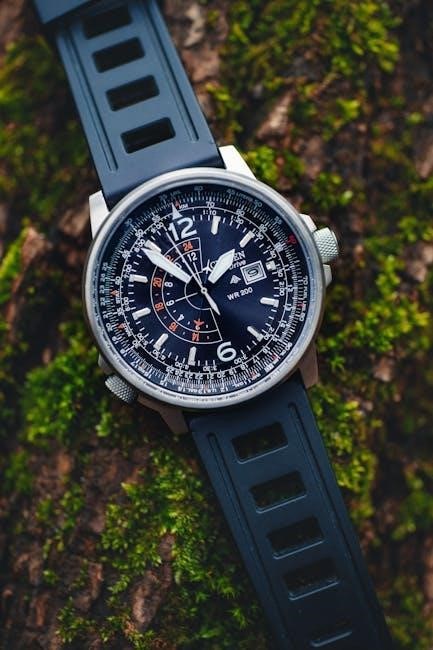
Generally, watches with larger cases (42mm and above) pair well with wider bands – typically 22mm or 24mm․ Smaller watches (under 40mm) usually suit bands between 18mm and 20mm․ However, wrist size plays a vital role․ A man with a larger wrist will likely prefer a wider band, even on a smaller watch, for visual balance․
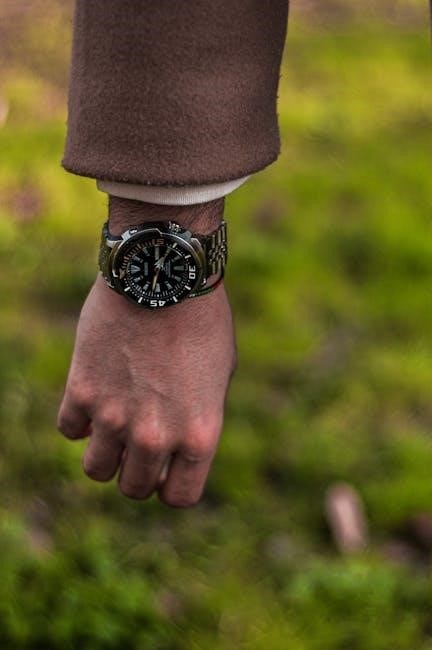
Compatibility is also key․ Most watch bands use a standard spring bar system, but ensure the band width matches the lug width of your watch case․ Many aftermarket bands are available, offering a wide range of materials and styles․ When switching bands, always verify the correct width to ensure a secure and proper fit, maximizing both comfort and the watch’s aesthetic appeal․
Different Watch Face Shapes & Wrist Size
The shape of a watch face – round, square, rectangular, or tonneau – influences how it appears on different wrist sizes․ Round faces are generally the most versatile, suiting most wrist shapes and sizes due to their classic and balanced aesthetic․ They tend to visually ‘soften’ larger wrists․
Square and rectangular faces can appear bolder and more modern, but they often look best on wrists that are more substantial․ On smaller wrists, these shapes can sometimes overwhelm the hand․ A longer rectangular face can elongate a smaller wrist, creating a more balanced proportion․
Tonneau (barrel-shaped) watches offer a unique look, often favored for their vintage appeal․ They can work well on various wrist sizes, but their curved shape might not be ideal for those with very flat wrists․ Ultimately, the best shape complements your personal style and creates visual harmony with your wrist’s dimensions․ Consider trying on different shapes to see what feels and looks most comfortable and proportionate․
The Impact of Bezel Size on Overall Look
A watch’s bezel – the ring surrounding the watch face – significantly impacts its perceived size and overall aesthetic․ Larger bezels create a bolder, more prominent look, making the watch appear larger on the wrist․ This can be advantageous for those with larger wrists who want a watch that feels substantial․
Conversely, smaller bezels result in a cleaner, more streamlined appearance․ They can make a watch seem more understated and are often preferred by individuals with smaller wrists, preventing the watch from looking disproportionately large․ A thin bezel maximizes the visible dial space, enhancing readability․
Bezel material and design also play a role․ A rotating bezel, common in dive watches, adds visual complexity and bulk․ A fixed, polished bezel offers a more refined look․ Consider how the bezel complements the watch case and your wrist size to achieve a balanced and harmonious appearance․ A well-proportioned bezel enhances the watch’s overall visual appeal and ensures it sits comfortably on your wrist․
Considering Your Body Type & Watch Size
Beyond wrist circumference, your overall body type influences the ideal watch size․ A larger frame generally accommodates a larger watch, creating visual balance․ Conversely, a smaller build often looks best with a more modestly sized timepiece․ Think of proportion – the watch should complement your physique, not overwhelm it․
For individuals with a broader build and larger hands, watches with case diameters of 42mm or greater can appear appropriately sized․ Those with a slimmer build may find watches in the 38mm to 42mm range more comfortable and aesthetically pleasing․ Height also matters; taller individuals can often pull off larger watches more easily․
Consider your style and clothing choices․ A larger watch can make a statement, while a smaller watch offers a more classic and subtle look․ Ultimately, the goal is to find a watch that feels comfortable, looks proportionate to your body, and reflects your personal style․ Don’t be afraid to try on different sizes to see what suits you best․
Small Wrists (Under 6․5 inches) ⎼ Watch Recommendations
For men with wrists measuring under 6․5 inches, prioritizing a balanced and comfortable fit is crucial․ Overly large watches can appear disproportionate and feel cumbersome․ Generally, case diameters between 36mm and 40mm are ideal, offering a refined and elegant appearance․
Consider watches with thinner profiles to minimize bulk․ Lug-to-lug measurements are particularly important; ensure they don’t extend beyond the edges of your wrist․ Watch face shapes also play a role – round or slightly rectangular faces tend to work well․ Avoid overly bulky or heavily textured designs․
Classic styles like field watches or dress watches often suit smaller wrists․ Brands offering smaller case sizes include Tissot, Seiko, and Timex․ Explore vintage watches, as many were produced in smaller sizes․ Ultimately, trying on different styles is the best way to determine what feels and looks best on your wrist․ Prioritize comfort and proportion above all else․
Medium Wrists (6․5 ‒ 7․5 inches) ⎼ Watch Recommendations
Men with medium-sized wrists, ranging from 6․5 to 7․5 inches, enjoy considerable versatility in watch selection․ This wrist size can comfortably accommodate a wider range of case diameters and styles․ A sweet spot generally lies between 40mm and 44mm, providing a balanced and proportional look․
Dive watches, field watches, and chronographs all work well within this range․ Lug-to-lug measurements remain important – aim for a fit that doesn’t overhang the wrist․ Experiment with different watch face shapes, including round, square, and tonneau․ Consider the overall aesthetic you’re aiming for․

Popular brands offering suitable options include Seiko, Citizen, Hamilton, and Tissot․ Don’t be afraid to try slightly larger watches (up to 44mm) if the lug-to-lug measurement is appropriate․ Ultimately, the best watch is one that feels comfortable and complements your personal style․ Prioritize a balanced aesthetic and a secure fit․
Large Wrists (7․5 inches and Above) ‒ Watch Recommendations
For men with larger wrists – 7․5 inches and above – bolder watch sizes are generally more appropriate․ Smaller watches can appear disproportionate and lost on a substantial wrist․ A case diameter of 44mm or greater is often recommended, with some individuals comfortably wearing watches up to 48mm or even 50mm․
Dive watches and pilot watches particularly suit larger wrists, offering a robust and commanding presence․ Pay close attention to lug-to-lug measurements to ensure the watch doesn’t feel unwieldy․ Larger bezels can also contribute to a more balanced look․ Brands like Breitling, Omega, and Rolex offer excellent options in this size range․
Don’t shy away from substantial watch weights, as they often complement a larger frame․ However, prioritize comfort – a heavy watch that feels uncomfortable won’t be enjoyable to wear․ Experiment with different styles and materials to find a watch that reflects your personality and wrist size․
Watch Weight and Comfort
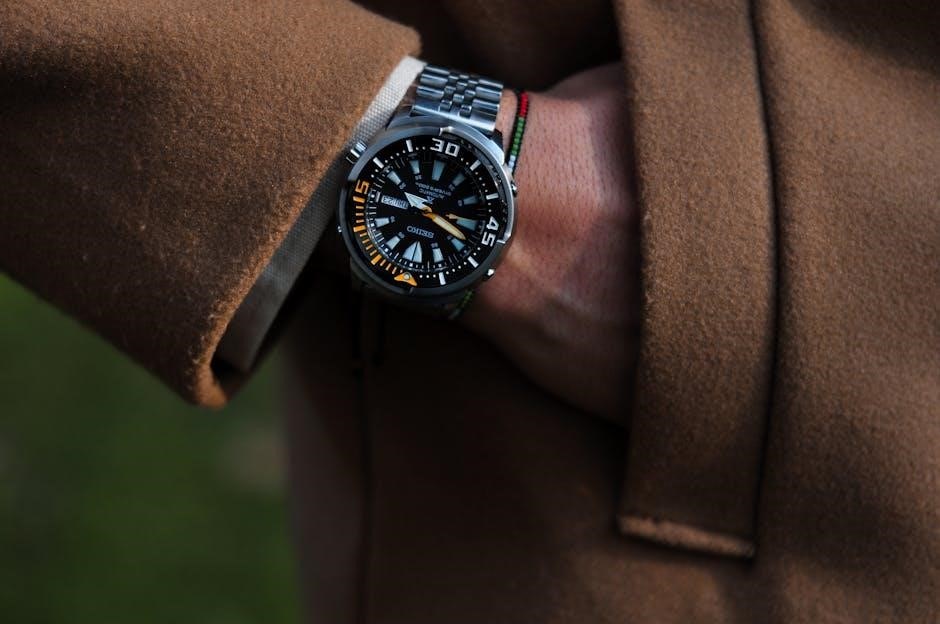
Beyond case size, watch weight significantly impacts daily comfort․ Heavier watches, often found in dive or luxury models utilizing materials like stainless steel or titanium, can feel substantial on the wrist․ While some appreciate this feeling of solidity, others may find it cumbersome, especially during extended wear or physical activity․
Lighter materials, such as aluminum or certain polymers, offer a more comfortable experience for those sensitive to weight․ The watch band also contributes to overall comfort; a well-fitted and appropriately weighted strap is crucial․ Consider the balance between the case and band weight – an overly heavy case paired with a flimsy strap can feel unbalanced․
Ultimately, comfort is subjective․ Trying on watches of varying weights is the best way to determine your preference․ Pay attention to how the watch feels during movement and whether it causes any pressure points or irritation․ A comfortable watch is one you’ll enjoy wearing consistently, regardless of its size or style․
Dive Watch Size Considerations
Dive watches, designed for underwater exploration, typically feature larger case sizes to accommodate robust movements and ensure legibility․ A minimum case diameter of 40mm is common, with many models ranging from 42mm to 46mm or even larger․ This larger size is partly due to the need for a clear, easily readable dial, even in low-light conditions and underwater․
However, larger dive watches can appear bulky on smaller wrists․ Consider the lug-to-lug measurement, as this determines how the watch wraps around your wrist․ A longer lug-to-lug distance can cause discomfort and overhang․ The thickness of the watch is also crucial; a thick case can snag on wetsuit sleeves or feel unwieldy․
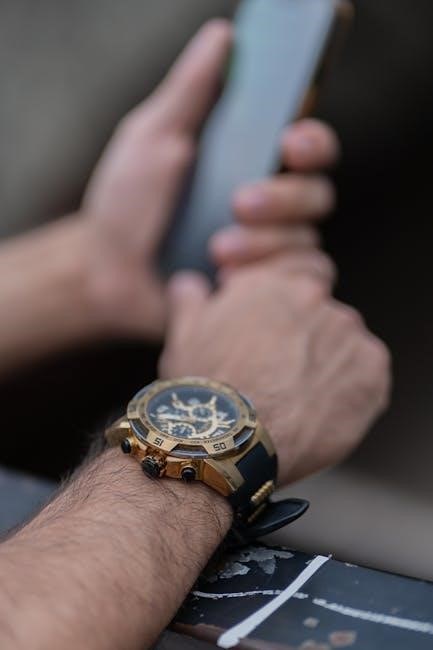
Despite the trend towards larger dive watches, some brands offer mid-size options that provide the functionality and aesthetic of a dive watch in a more manageable size․ Prioritize a secure and comfortable fit, ensuring the watch doesn’t rotate on your wrist during activity․ Ultimately, balance the desired aesthetic with practical considerations for your wrist size and intended use․
Dress Watch Size Guidelines
Dress watches prioritize elegance and subtlety, demanding a more refined approach to sizing․ Generally, a case diameter between 36mm and 40mm is considered ideal for most men, promoting a sleek and understated appearance․ These watches are designed to slip easily under shirt cuffs, necessitating a slimmer profile – typically under 10mm in thickness․
Larger wrist sizes can accommodate a 40mm dress watch, but exceeding this size risks losing the watch’s inherent sophistication․ Lug-to-lug distance remains important; ensure it doesn’t extend beyond the edges of your wrist․ A minimalist dial and slim bezel contribute to the overall refined aesthetic, and a larger case can disrupt this balance․
Consider the overall proportion of the watch to your build․ A smaller framed individual will likely find a 36mm or 38mm watch more harmonious, while a larger build can support a 40mm option․ Prioritize comfort and a low profile, as dress watches are intended for extended wear during formal occasions․ Avoid overly bold designs or excessive complications․
Sport Watch Size and Functionality
Sport watches often prioritize functionality and durability, influencing their size and design․ Typically, case diameters range from 42mm to 46mm, accommodating robust movements, multiple complications (like chronographs or depth gauges), and enhanced legibility․ A thicker case is common, providing greater shock resistance and water protection․
Larger wrist sizes benefit from the bolder presence of a sport watch, while those with smaller wrists should carefully consider the lug-to-lug measurement to prevent overhang․ The weight of the watch is also a factor; heavier sport watches can be comfortable for active use but may feel cumbersome during everyday wear․
Functionality dictates certain size requirements․ Dive watches, for example, often feature larger bezels for easy grip while wearing gloves and larger dials for clear readability underwater․ Consider the intended use of the watch – running, swimming, or general fitness – when selecting a size․ Prioritize a secure and comfortable fit that won’t impede movement or cause irritation․
Vintage Watch Sizing: What to Look For
Vintage watches often ran smaller than modern timepieces, reflecting the style preferences of their era․ Case sizes frequently fall between 34mm and 38mm, though variations exist․ When assessing a vintage watch, consider that wrist sizes have generally increased over time, so a watch that felt proportionate decades ago might appear smaller today․
Pay close attention to the lug-to-lug measurement, as this is crucial for ensuring a comfortable fit, regardless of the case diameter․ Vintage watches may have shorter lugs, making them suitable for smaller wrists․ Also, be mindful of the watch’s overall profile – thickness and height can impact how it wears․
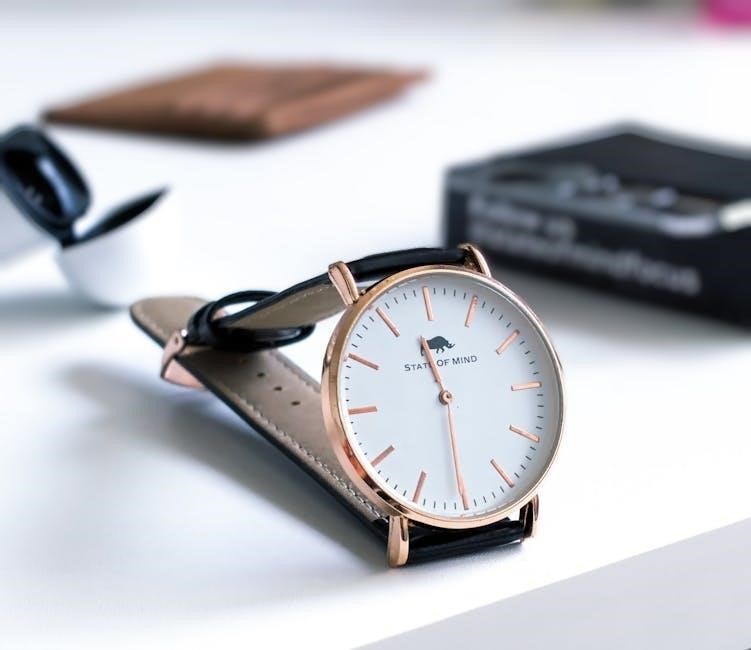
Originality is key when evaluating a vintage watch․ Replacement parts, including the crown or hands, can alter the watch’s proportions and affect its value․ Inspect the dial and case for signs of restoration or refinishing․ A well-preserved vintage watch, even if smaller, can offer a unique and stylish statement․
Trying on Watches: Best Practices
When trying on watches, simulate your typical daily activities․ Move your wrist through a full range of motion to assess comfort and ensure the watch doesn’t feel restrictive or awkward․ Pay attention to how the lugs interact with your wrist – they should sit comfortably without digging in or extending beyond your wrist’s edges․
Consider wearing a watch at different times of the day․ Your wrist can swell slightly due to temperature or activity levels, impacting the fit․ A watch that feels perfect in the morning might feel snug later in the afternoon․ Don’t hesitate to ask for assistance with bracelet adjustments; a properly sized bracelet is essential for a secure and comfortable fit․
Visualize the watch with your usual attire․ A larger watch might complement a more robust outfit, while a smaller, more refined watch might be better suited for formal occasions․ Ultimately, the best practice is to trust your instincts and choose a watch that feels both comfortable and aesthetically pleasing on your wrist․
Online Watch Size Charts & Resources
Numerous online resources offer watch size charts and guidance, assisting in determining the ideal watch size for your wrist․ Many watch retailers provide printable wrist measurement guides, allowing for accurate self-measurement at home․ Websites dedicated to watch enthusiasts often feature detailed articles and forum discussions on watch sizing, offering valuable insights from experienced collectors․
Garmin’s website, for example, provides specific sizing information for their smartwatches, helping customers choose the correct band length and watch case size․ Beyond brand-specific resources, general watch sizing tools can estimate suitable case diameters based on wrist circumference․ Remember that these charts serve as starting points; individual preferences and body type variations should also be considered․
Utilize online communities and watch forums to gather feedback and compare experiences․ Searching for “watch size guide” or “wrist size chart” will yield a wealth of information․ Always cross-reference information from multiple sources to ensure accuracy and make an informed decision before purchasing a watch;
Adjusting Watch Bands for a Perfect Fit
Achieving a comfortable and secure fit often requires adjusting the watch band․ Most metal bracelets feature removable links, allowing you to shorten or lengthen the band to match your wrist size․ Specialized tools, such as spring bar tools, are essential for removing and reattaching links safely and efficiently․ Leather straps typically have multiple holes, providing incremental adjustments․
For bracelets, carefully push out the pins securing the links using the spring bar tool․ Remove or add links as needed, ensuring the bracelet sits comfortably without being too tight or loose․ Rubber or silicone straps may require cutting to achieve the perfect length, best done by a professional watchmaker․
Proper adjustment prevents the watch from sliding around on your wrist and ensures optimal comfort during wear․ A well-fitted band also enhances the overall aesthetic of the watch․ If you’re unsure about adjusting the band yourself, seek assistance from a qualified watch technician to avoid damaging the watch or the band․