color personality quiz pdf
Article Plan: Color Personality Quiz PDF
This article details creating a comprehensive PDF guide exploring color psychology, personality assessments, and quizzes. It will cover interpretations, limitations, and practical applications of these insights.
Color psychology is the study of how colors affect human behaviors, feelings, and perceptions. It’s a surprisingly powerful force, influencing our choices daily – from the clothes we wear to the environments we create. Our attraction to specific hues often reveals deeper aspects of our personalities, going beyond mere aesthetic preference.
This connection isn’t accidental. Throughout history, colors have been imbued with symbolic meaning. Understanding these associations forms the basis of color personality assessments. These aren’t definitive diagnoses, but rather tools for self-discovery, offering insights into emotional states and core traits. Individuals are often drawn to colors that resonate with their inner selves, reflecting kindness, warmth, or boldness.
Exploring this link can be incredibly valuable, providing a fun and accessible pathway to self-awareness.
The History of Color Personality Assessments
The roots of linking color to personality stretch back centuries, with ancient cultures attributing symbolic meanings to different hues. However, the formalized study began in the early 20th century with figures like Johann Wolfgang von Goethe, who explored the psychological effects of color in his “Theory of Colours” (1810).
Modern color psychology gained momentum through the work of psychologists like Max Luscher, developing the Luscher Color Test in the 1940s. This test, though debated, was one of the first to systematically connect color preferences to psychological states. More recently, social media trends, like Marina Winberg’s dress color preference test, have popularized these concepts, though these are not diagnostic tools.
These assessments evolved from philosophical musings to psychological tools, and now, accessible online quizzes.
Why Take a Color Personality Quiz?
Color personality quizzes offer a fun and accessible pathway to self-discovery. They can illuminate hidden aspects of your character, providing insights into your strengths, weaknesses, and behavioral patterns. Understanding your color personality can enhance self-awareness, fostering personal growth and improved emotional intelligence.
These quizzes aren’t about definitive labels, but rather, offer a framework for understanding your tendencies. They can reveal why you’re drawn to certain colors in clothing or décor, suggesting deeper preferences. Furthermore, recognizing your color profile can improve interpersonal relationships by fostering empathy and understanding of others’ preferences.
Understanding the Limitations of Color Personality Quizzes
It’s crucial to approach color personality quizzes with a healthy dose of skepticism. These assessments are not scientifically validated diagnostic tools; they offer interpretations, not definitive truths. Results often reflect current emotional states, as highlighted by tests like Marina Winberg’s social media quiz, rather than core personality traits.
Quizzes rely on self-reporting, susceptible to biases and subjective interpretations. Cultural influences and personal experiences also shape color associations, impacting accuracy. While insightful, they shouldn’t dictate life decisions or be used to rigidly categorize individuals. Consider them a starting point for self-reflection, not a conclusive personality profile.
Core Color Personality Types ― Overview
Color personality assessments typically categorize individuals into four primary types: Red, Blue, Yellow, and Green. These aren’t absolute classifications, but rather tendencies reflecting dominant traits. Red often signifies extroversion, leadership, and a driven nature, while Blue embodies introversion, loyalty, and sensitivity.
Yellow personalities are typically optimistic, creative, and sociable, though potentially impulsive. Green represents harmony, growth, and nurturing qualities, sometimes leaning towards stubbornness. Understanding these core types provides a foundational framework for interpreting quiz results and recognizing behavioral patterns. Many quizzes link formulations to validated personality models.
Red Personality Traits
Individuals identifying with Red in color personality assessments are often characterized by strong willpower, ambition, and a natural inclination towards leadership. They are typically extroverted, energetic, and enjoy taking charge. Reds thrive in competitive environments and aren’t afraid to assert themselves. This color is linked to decisiveness and a proactive approach to life.
However, potential challenges include a tendency towards dominance, impatience, and a possible lack of sensitivity towards others’ feelings. Recognizing these traits allows for self-awareness and improved interpersonal relationships. They are driven and focused on achieving goals.
Red & Extroversion
The association between Red and extroversion is deeply rooted in the color’s energetic and stimulating nature. Those who strongly resonate with Red typically gain energy from social interaction and thrive in dynamic environments. They are often described as outgoing, assertive, and comfortable being the center of attention. This extroverted tendency fuels their leadership qualities and competitive spirit.
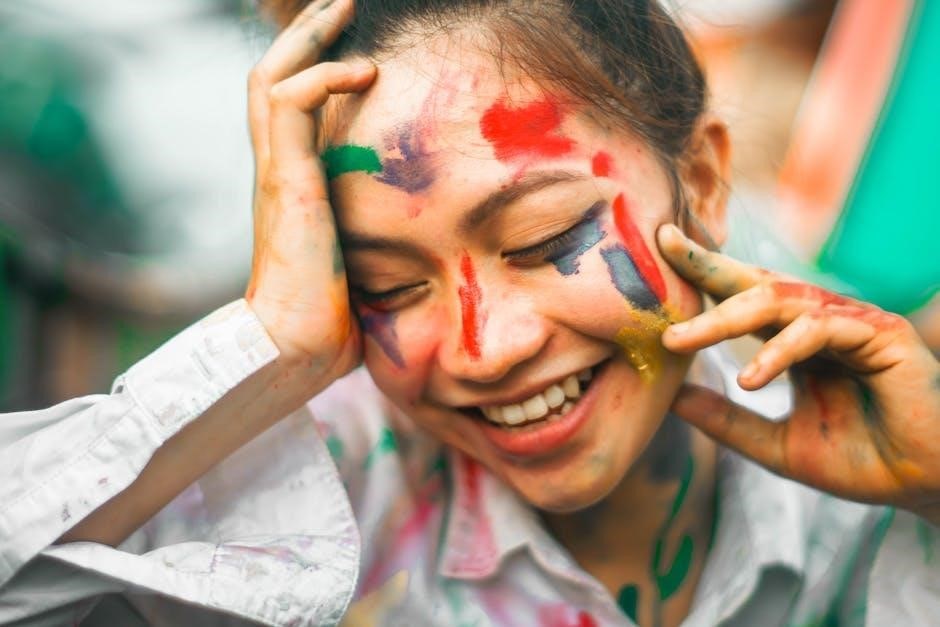
Red personalities actively seek stimulation and enjoy engaging with others, readily expressing their thoughts and feelings. They aren’t shy about initiating conversations or taking on new challenges, demonstrating a confident and sociable demeanor.
Red & Leadership Qualities
Individuals identifying with Red often exhibit strong leadership qualities, driven by their assertive nature and decisive thinking. They possess a natural ability to take charge, confidently directing others towards a common goal. This isn’t about dominance, but rather a proactive approach to problem-solving and a willingness to assume responsibility.
Red personalities are typically goal-oriented and determined, inspiring those around them with their ambition and energy. They aren’t afraid to make tough decisions and can effectively motivate teams to overcome obstacles. Their direct communication style, while sometimes perceived as blunt, ensures clarity and efficiency.
Red & Potential Challenges
While Red personalities excel in leadership, they can face challenges stemming from their intensity and directness. A tendency towards impatience and a desire for control can sometimes lead to friction with others, particularly those who prefer a more collaborative approach. They may struggle with delegating tasks, believing they can accomplish them most efficiently themselves.
Furthermore, Red’s focus on results can sometimes overshadow the importance of emotional considerations. They might be perceived as insensitive or dismissive of others’ feelings. Learning to balance assertiveness with empathy is crucial for fostering stronger relationships and maximizing their leadership potential.
Blue Personality Traits
Individuals identifying with Blue often exhibit a calm, reserved, and thoughtful demeanor. They are characterized by a deep sense of loyalty and trustworthiness, making them reliable friends and partners. Blue personalities value stability and harmony, seeking peaceful environments and avoiding conflict whenever possible. They possess a strong inner world, often engaging in introspection and reflection.
However, this introspective nature can sometimes lead to feelings of sadness or melancholy. They are highly sensitive and easily affected by the emotions of others, requiring periods of solitude to recharge. Understanding and acknowledging these tendencies is key to maintaining emotional well-being.
Blue & Introversion/Reflection
The color Blue is strongly associated with introversion and a propensity for deep reflection. Individuals drawn to Blue often find energy in solitude, using this time for internal processing and contemplation. They aren’t necessarily shy, but prefer meaningful connections over superficial interactions. This inward focus allows for a rich inner life and a strong understanding of their own emotions.
Blue personalities thrive when given space to think and analyze, often needing time to formulate responses rather than reacting impulsively. They value authenticity and intellectual stimulation, seeking environments that encourage thoughtful discussion and self-discovery.
Blue & Loyalty & Trustworthiness
Individuals identifying with Blue consistently demonstrate unwavering loyalty and a deep sense of trustworthiness. They are the bedrock friends and partners, valuing long-term commitments and offering steadfast support. This isn’t simply a surface-level trait; it’s woven into their core values, driving them to uphold promises and act with integrity in all aspects of life.
Blue personalities are often seen as reliable and dependable, creating a safe space for others to confide and build genuine connections. They prioritize honesty and ethical behavior, fostering trust through consistent actions and a genuine concern for the well-being of those they care about.
Blue & Sensitivity & Potential for Sadness
While deeply empathetic and compassionate, those aligned with Blue often possess a heightened sensitivity. This allows them to connect profoundly with others’ emotions, but also makes them vulnerable to absorbing negativity and experiencing sadness more intensely. They feel things deeply, and external stressors can significantly impact their emotional state.
It’s crucial for Blue personalities to prioritize self-care and establish healthy boundaries to protect their emotional well-being. Recognizing this potential for sadness isn’t a weakness, but an acknowledgment of their rich inner world and the importance of nurturing their emotional resilience.
Yellow Personality Traits
Individuals identifying with Yellow are typically characterized by their infectious optimism and vibrant creativity. They possess a natural ability to see the bright side of life, inspiring those around them with their enthusiasm. Yellow personalities thrive in social settings, readily engaging with others and bringing a playful energy to any situation.
However, this need for stimulation can sometimes manifest as impulsivity. They may jump from one idea to another, seeking constant novelty. Maintaining focus and completing tasks can be a challenge, requiring strategies to channel their energy effectively. They are the life of the party, but need balance.
Yellow & Optimism & Creativity
The association of Yellow with optimism is deeply rooted in its psychological impact; it’s a color universally linked to sunshine and happiness. Those leaning towards Yellow in personality assessments demonstrate a remarkable ability to find the positive, even amidst challenges. This inherent optimism fuels their creativity, allowing them to approach problems with innovative solutions and a playful mindset.
Yellow personalities aren’t afraid to think outside the box, often generating unique ideas and inspiring others with their enthusiasm. They view the world as full of possibilities, fostering a sense of hope and excitement. This combination makes them natural innovators and problem-solvers.
Yellow & Sociability & Enthusiasm
Individuals identifying with Yellow consistently exhibit high levels of sociability and infectious enthusiasm. They thrive in social settings, effortlessly connecting with others and building rapport. This isn’t merely politeness; it’s a genuine desire for interaction and a belief in the power of community. Their energy is palpable, drawing people towards them and creating a lively atmosphere wherever they go.
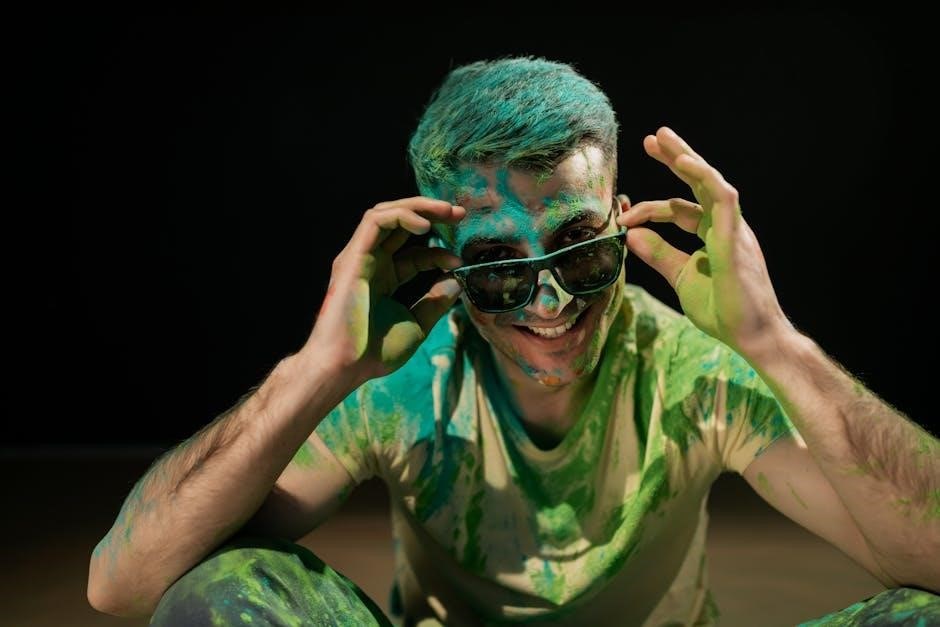
Yellow personalities are often the life of the party, readily engaging in conversation and sharing their positive outlook. This enthusiasm isn’t superficial; it stems from a deep-seated joy for life and a desire to share that joy with others, making them naturally charismatic leaders.
Yellow & Impulsivity & Need for Stimulation
While brimming with positivity, Yellow personalities often demonstrate a degree of impulsivity. Their quick-thinking nature can lead to spontaneous decisions, sometimes without fully considering the consequences. This isn’t recklessness, but rather a preference for action and a discomfort with prolonged deliberation. They crave novelty and excitement, easily becoming bored with routine or stagnation.
This inherent need for stimulation drives them to seek out new experiences and challenges. A lack of mental or physical engagement can lead to restlessness and dissatisfaction, highlighting the importance of variety in their lives. They flourish in dynamic environments.
Green Personality Traits
Individuals identifying with Green often prioritize harmony, balance, and growth in all aspects of their lives. They are natural nurturers, displaying a genuine concern for the well-being of others and the environment. This manifests as a desire to create peaceful and supportive surroundings, fostering positive relationships and encouraging personal development.
Green personalities are typically grounded and reliable, valuing stability and security. However, this can sometimes translate into stubbornness or a reluctance to embrace change. They may also avoid conflict, preferring to maintain a sense of equilibrium even when addressing difficult issues is necessary.
Green & Harmony & Balance
Those resonating with Green consistently seek environments characterized by peace and equilibrium. This isn’t merely a preference, but a core need; disruption or discord can be deeply unsettling for them. They excel at mediating conflicts and creating a sense of calm for those around them, acting as natural stabilizers within groups.
This drive for balance extends to their personal lives, where they strive for holistic well-being – nurturing their physical, emotional, and spiritual selves. Green individuals appreciate routines and predictability, finding comfort in established patterns and a sense of order.
Green & Growth & Nurturing
Individuals identifying with Green possess a profound connection to nature and a strong desire to foster growth – both in themselves and others. They are empathetic and compassionate, naturally inclined to support and encourage those around them, often taking on a mentoring or caregiving role.
This nurturing extends beyond people; they often have a passion for gardening, animals, or environmental causes. Green personalities believe in potential and are dedicated to helping others blossom, providing a safe and supportive space for development. They value long-term progress over quick wins.
Green & Stubbornness & Avoidance of Conflict
While Greens prioritize harmony, this can manifest as a strong resistance to change and a tendency towards stubbornness when their core values are challenged. They’ve carefully cultivated their inner peace and are reluctant to disrupt it, leading to inflexibility in certain situations.
Direct confrontation is deeply unsettling for Green personalities; they actively avoid conflict, sometimes to a fault, preferring to maintain a superficial peace rather than address underlying issues. This avoidance isn’t malicious, but stems from a genuine desire to preserve positive relationships and a stable environment.

Beyond the Four Core Colors ― Combinations
Rarely does a personality align perfectly with a single core color; most individuals exhibit a blend of traits, creating nuanced personality profiles. These combinations arise from varying degrees of influence from secondary colors, resulting in a spectrum of expressions beyond the primary four – Red, Blue, Yellow, and Green.
Understanding these blends is crucial for a more accurate interpretation of quiz results. For example, a Red-Yellow combination might indicate a charismatic leader, while Blue-Green suggests a compassionate and diplomatic individual. Exploring these interactions provides a richer, more personalized understanding of one’s inherent characteristics.
The Role of Secondary Colors in Personality
Secondary colors – Orange, Purple, and Olive Green – act as modifiers, adding depth and complexity to core color personalities. They represent a fusion of traits from their parent colors, influencing how primary characteristics manifest. Orange, blending Red and Yellow, often signifies sociability and creative energy.
Purple, a mix of Red and Blue, can indicate a blend of leadership and introspection, potentially leading to a visionary and empathetic nature. Olive Green, combining Yellow and Green, suggests a practical and harmonious individual. Recognizing these secondary influences enhances the accuracy of personality assessments derived from color preferences.
Color Preferences & Emotional State (Current vs. Core)
It’s crucial to differentiate between a person’s core color personality and their current emotional state reflected in color choices. While core colors represent fundamental traits, temporary preferences can shift based on mood or circumstances. A psychological test involving dress color preferences links choices to current feelings, not definitive personality.
Someone usually drawn to Blue might temporarily select Red during a period of assertiveness. Therefore, a reliable quiz should acknowledge this fluidity, perhaps asking about long-term preferences versus immediate attractions. Understanding this distinction prevents misinterpretations and provides a more nuanced personality profile.
Popular Color Personality Quizzes Available as PDFs
Numerous color personality quizzes are readily available in PDF format online, catering to diverse interests. Many websites offer free downloadable quizzes, ranging from simple questionnaires to more detailed assessments. These PDFs often present questions about preferred colors in various contexts – clothing, home décor, and even abstract associations.
However, quality varies significantly. Some quizzes are based on established color psychology principles, while others are more superficial. Searching for quizzes linked to validated personality models, or those created by professionals, is advisable. Always critically evaluate the source and methodology before accepting the results as definitive.
What to Look for in a Reliable Color Personality Quiz PDF
When selecting a color personality quiz PDF, prioritize credibility and sound methodology. Look for quizzes that clearly state their theoretical basis – ideally, linking to established color psychology principles and validated personality models. A reliable quiz will avoid overly simplistic interpretations or sweeping generalizations.
Assess the questions themselves; are they nuanced and thought-provoking, or merely superficial color preferences? Transparency regarding data usage and privacy is crucial. Beware of quizzes requesting excessive personal information. Finally, remember these are indicators, not definitive diagnoses – a good quiz acknowledges its limitations.
How to Interpret Your Color Personality Quiz Results
Understanding your color personality quiz results requires a balanced perspective. View your dominant color as a tendency, not a rigid label. Consider how the traits align with your self-perception and observed behaviors – do they resonate? Recognize that quizzes often reflect your current emotional state, as highlighted by tests like Marina Winberg’s, rather than a fixed personality.
Don’t dismiss traits that don’t immediately fit; nuance is key. Explore the associated strengths and potential challenges, using them as areas for self-awareness and growth. Remember, these insights are tools for understanding, not defining, who you are.
Using Your Color Personality Insights for Self-Improvement
Color personality insights can be powerful catalysts for personal growth. If you identify strongly with a color like Red, acknowledge potential challenges like impulsivity and practice mindful decision-making. For Blue personalities, consciously cultivate opportunities for social interaction to balance introversion.
Understanding your tendencies allows for targeted development. Leverage your strengths – a Yellow’s creativity, a Green’s nurturing nature – while addressing areas needing attention. Remember, these aren’t limitations, but opportunities. Use this knowledge to build stronger relationships and navigate life with greater self-awareness.
Color Personality in Relationships
Understanding your partner’s color personality can dramatically improve relationship dynamics. A Red personality’s directness might initially clash with a Blue’s sensitivity, requiring mindful communication. Yellow’s enthusiasm can energize a Green’s calm approach, fostering balance. Recognizing these differences promotes empathy and reduces misunderstandings.
Knowing preferred communication styles – direct versus reflective – is crucial. Appreciate each other’s strengths; a Red’s leadership complements a Blue’s loyalty. While not a definitive guide, color insights offer a framework for navigating conflict and building a more harmonious connection, fostering deeper understanding and appreciation.
Color Personality & Career Choices
Aligning career paths with color personality traits can lead to greater job satisfaction and success. Reds thrive in leadership roles demanding decisiveness and action, excelling as entrepreneurs or managers. Blues flourish in supportive environments requiring precision and loyalty, like research or counseling.
Yellows excel in creative, communicative fields – marketing, sales, or teaching – leveraging their enthusiasm. Greens find fulfillment in nurturing roles, such as healthcare or environmental work. Understanding these tendencies isn’t prescriptive, but offers valuable self-awareness for career exploration and maximizing potential within a chosen field.
The Connection Between Lip Color Preference & Personality
Surprisingly, lip color choices can reveal aspects of one’s personality, mirroring broader color psychology principles. Bold reds often indicate confidence, passion, and a desire to stand out – aligning with red personality traits. Nude or natural shades suggest practicality, authenticity, and a preference for understated elegance, resonating with green personalities.
Pink shades can signify playfulness, romance, and a nurturing nature, echoing yellow’s optimism. Deeper berry tones may point to sophistication, mystery, and introspection, similar to blue’s depth. While not definitive, these preferences offer a fun, insightful glimpse into underlying personality characteristics.
Seasonal Color Palettes & Personality (e.g., June ー Cream/Pearl)
Connecting birth months to color palettes offers another layer to personality interpretation. June, associated with cream or pearl, signifies sensitivity, kindness, and warmth – qualities often found in individuals drawn to softer hues. These palettes aren’t merely aesthetic; they reflect inherent emotional tendencies.
This concept suggests that individuals born during specific seasons gravitate towards colors that harmonize with their core personality. Exploring these seasonal connections provides a unique perspective on self-understanding, linking external preferences to internal characteristics. It’s a fascinating intersection of astrology, color psychology, and personality assessment.
Color Psychology in Marketing & Branding
Understanding color personality extends beyond self-discovery and profoundly impacts marketing and branding strategies. Businesses leverage color psychology to evoke specific emotions and associations with their target audiences. Red often signifies excitement and urgency, while blue conveys trust and reliability.
Effective branding utilizes color to communicate a brand’s personality and values. A color personality quiz can inform these choices, ensuring alignment between brand identity and consumer perception. By understanding how colors influence behavior, marketers can create more compelling and persuasive campaigns, ultimately driving sales and building brand loyalty.
Criticisms and Scientific Validity of Color Personality Tests
While popular, color personality tests face criticism regarding their scientific validity. Many argue they lack rigorous empirical support and rely heavily on subjective interpretation. These quizzes are often viewed as “pseudoscience,” offering generalized insights rather than definitive personality assessments.
Marina Winberg notes these tests aren’t diagnostic tools, reflecting current emotional states rather than core personality traits. Critics emphasize the influence of cultural factors and individual experiences on color preferences. Despite limitations, they can serve as a fun self-reflection exercise, prompting introspection, but shouldn’t be taken as absolute truths about one’s character.
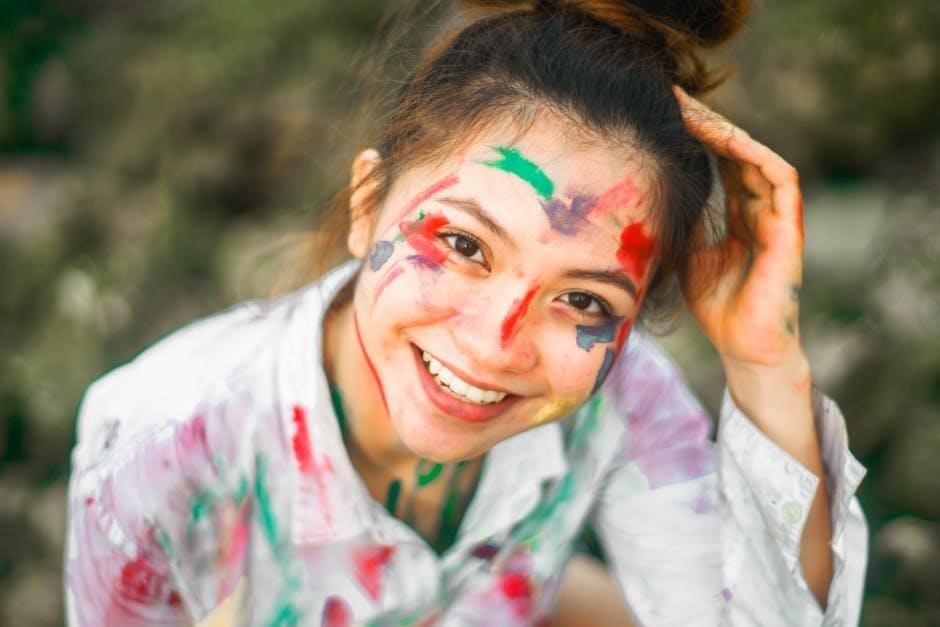
Ultimately, exploring your color personality offers a unique lens for self-discovery. While acknowledging the limitations of these assessments, recognizing your preferred hues can illuminate tendencies and emotional connections.
Whether drawn to bold reds or calming blues, understanding these preferences can foster self-awareness and improve relationships. Remember, these quizzes aren’t definitive labels, but rather tools for introspection. Embrace the insights gained, using them to enhance personal growth and navigate life with greater understanding. Consider how your lip color or seasonal palette reflects your inner self!